




Home buying tips

How to Buy a Home in 2025: What Every First-Time Buyer Needs to Know to Avoid Mistakes

9min read

Do you know how to buy a home in 2025? Buying your first home can be one of life’s most rewarding and stressful experiences. While the excitement of becoming a homeowner is real, so are the many pitfalls that can turn a dream into a financial mistake. Learn the most common mistakes first-time home buyers make, how to avoid them, and how to navigate each phase of the homebuying process with clarity and confidence. 

If you’re just beginning to explore your options or already house-hunting, we’ll help you move forward with confidence and avoid costly errors.

Quick Summary

Getting pre-approved early helps you shop confidently and shows sellers you’re serious.

Budget realistically; not just for your mortgage but for taxes, insurance, repairs, and moving costs.

Key requirement: Aim for a credit score of 620 or higher and a debt-to-income ratio under 41% to qualify for the best rates.

Tip: Explore FHA, VA, and USDA loans. They offer flexible options for first-time buyers, each with unique eligibility criteria.

Discover what you qualify for

let us guide you every step of the way!

How Do You Buy a House?

Buying a house starts with checking your credit, setting a realistic budget, and getting pre-approved for a mortgage. From there, you’ll work with a real estate agent to find the right home, make an offer, and complete inspections and appraisals. Once your loan is finalized, you’ll close the deal and officially become a homeowner. 

Along the way, understanding your loan options, avoiding common mistakes, and working with trusted professionals can make all the difference.

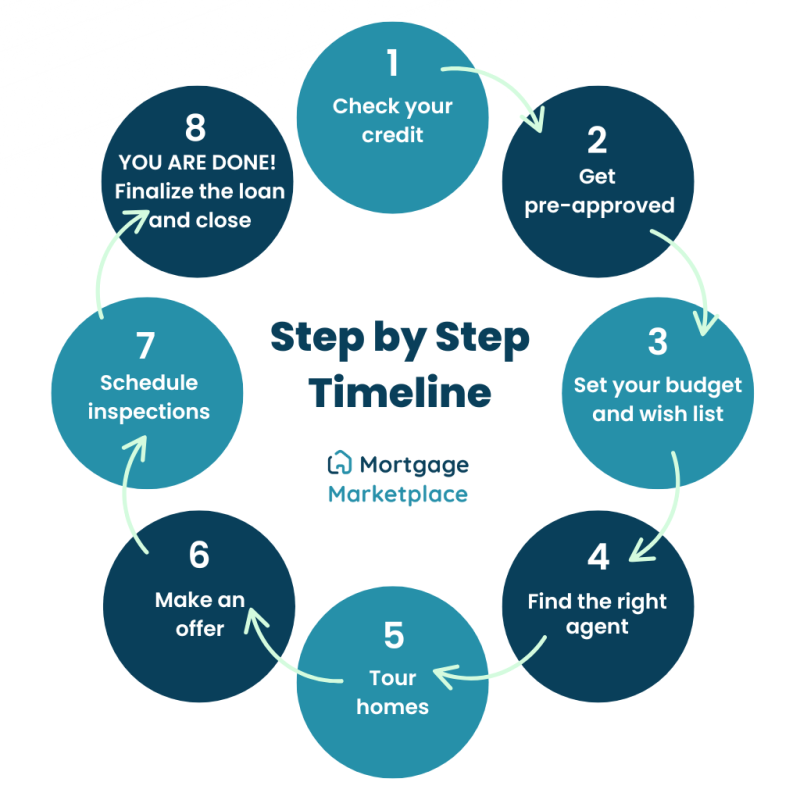
Step-by-Step Timeline Graphic

The homebuying journey has several key steps, each one which builds on the last. Here’s a visual roadmap to help you stay organized and see where you’re headed next.

Why First-Time Homebuyers Make Costly Mistakes

Before we dive into the mistakes themselves, it’s important to understand why they happen so frequently. Buying a home is not just a financial decision; it’s an emotional and complex experience. With constant outside opinions, confusing jargon, and high stakes, it’s no wonder first-time buyers find themselves vulnerable. Below are the main psychological and external pressures that often lead to poor home-buying decisions.

Home Buying Is Emotional, Unfamiliar, and Often Overwhelming

Buying a home for the first time can feel like stepping into a new world. Between mortgage jargon, fast-moving deals, and financial pressure, many buyers experience decision fatigue. This process involves many decisions that carry significant financial and emotional weight, and it’s easy to feel overwhelmed. Without guidance, buyers often fall back on instinct or emotion, which can lead to poor choices.

Outside Influences and Misinformation Can Steer You Wrong

From social media stories to unsolicited advice from family and friends, first-time buyers are bombarded with conflicting opinions. Floods of online content lack context, making it easy to see why many buyers follow poor advice. Whether it’s well-meaning friends recommending outdated strategies or influencers promoting unrealistic expectations, misinformation can derail even the most careful plans. Buyers must seek trusted sources and professional advice tailored to their needs.

Take your first step

It only takes 2 minutes to find out what you qualify for.

A graphic of a laptop with the Mortgage Marketplace survey on it. It has the buttons for "Home equity", "Refinance", and "Buy a home"

Top Mistakes First-Time Homebuyers Make

Many first-time buyers make preventable errors that can derail their experience, even with thorough preparation. These mistakes fall into two broad categories: poor financial decisions and mistakes during the mortgage process. This section explains what to watch out for before you sign anything.

Poor Financial Decisions

Many first-time homebuyers err by falling in love with a home that doesn’t align with their budget, and stretching their finances to make it work. This can lead to future regret and financial instability. Many buyers ignore their credit score and don’t understand how it affects loan terms and monthly payment rates. 

Another pitfall is making big purchases or opening new credit lines while your loan is finalized. Small financial changes can impact the loan underwriting process in a big way. Lastly, monthly budgets can be quickly overwhelmed if homebuyers forget “hidden” homeownership costs like property taxes, insurance, and ongoing maintenance.

Common Mortgage Mistakes First-Time Buyers Make

Many first-time buyers jump into the mortgage process without fully understanding their options. Some skip pre-approval because it can limit their negotiating power or lead to failed deals. Others settle for the first lender they speak with, missing out on better interest rates or terms elsewhere. Loan types matter, and choosing the wrong one can cost thousands more than the mortgage is worth.  Misunderstanding the full scope of closing costs, escrow requirements, or the timing of each financial step can lead to unexpected delays or expenses. 

The escrow process ensures that the buyer’s deposit, loan funds, and paperwork are only released when all contract conditions are met, such as inspections, title clearance, and lender approvals. This helps prevent fraud and ensures both parties fulfill their responsibilities before closing. However, delays in escrow, due to incomplete paperwork, appraisal issues, or funding errors, can push back your closing date or even jeopardize the deal.

Types of First-Time Home Buyer Mortgages

Navigating loan options is one of the most complex parts of buying your first home. Your chosen mortgage type can significantly impact monthly payments, down payment requirements, and long-term affordability. Some buyers consider a second mortgage, used to help cover down payments or finance renovations. They can provide flexibility but add risk and complexity. Here are the most common loans available to first-time buyers and what makes each unique. 

First-Time Buyer Loan Options

Popular Mortgage Options for First-Time Homebuyers include FHA, VA. USDA and Conventional Loans

  • FHA Loans: Great for buyers with lower credit scores or smaller savings because they offer low down payments and more flexible qualification standards.

  • VA Loans: Available to veterans and active-duty military, and require no down payment and offer favorable terms.

  • USDA Loans: Designed for rural and some suburban buyers, and often allows for no down payment and low interest rates.

  • Conventional Loans: Widely available but usually require higher credit scores. Private mortgage insurance (PMI) is needed if the down payment is under 20%.

While not typically used by first-time buyers, a reverse mortgage may be relevant to seniors as a way to access home equity in retirement. Reverse mortgages are worth understanding early, especially if long-term financial planning is part of your homeownership strategy.

In addition to these federal options, many state and local governments offer assistance programs for first-time homebuyers. These programs can provide down payment help, reduced interest rates, or tax benefits that make homeownership more accessible.

Timing Mistakes That Can Cost You

In hot real estate markets, buyers often feel rushed to make quick decisions, sometimes skipping vital steps like home inspections or thorough comparisons. Acting too quickly out of fear of missing out can lead to major regrets. On the other hand, waiting too long to make an offer or hesitating on a good deal can mean losing a great home. Striking the right balance between careful consideration and timely action is one of the hardest parts of buying your first home.

Emotional & Psychological Traps

Emotions run high during the home-buying journey. Many first-time buyers fall for a home and ignore potential red flags or overextend themselves financially to secure it. Peer pressure and the desire to “keep up” with friends or family who have purchased homes can also skew judgment. It’s important to stay grounded, revisit goals, and remember that buying a home is a long-term investment, not just an emotional milestone.

Not sure which loan is right for you? Contact Mortgage Marketplace to compare rates and see what you qualify for.

How Much Equity Works for You?

Slide to choose your amount and let’s get started!

10k
10k
500k
See my options

Renting vs. Buying in 2025: Which Is Right for You?

The decision to rent or buy depends on your financial readiness and long-term plans. Renting offers flexibility and fewer upfront costs, which may be ideal if you anticipate moving in a few years. Buying helps build equity and can offer tax benefits, especially if you plan to stay put for a while. Interest rates, market trends, and personal stability should all factor into your decision. Use tools like our affordability calculator to run the numbers and see what fits best.

Whether you’re leaning toward buying or still exploring, Mortgage Marketplace can help you weigh your options.

What Mortgage Rate Can You Expect Based on Credit Score?

Avoiding costly mistakes doesn’t just mean avoiding bad decisions; it also means actively setting yourself up for success. The following strategies will help you stay informed, prepared, and confident throughout your journey.

How to Buy a House with a Home Buying Checklist

A comprehensive home buying checklist keeps you focused and organized. Designed to walk you through every stage, a decent checklist can help you stay more organized, as the process can be challenging. It also ensures you don’t miss critical steps, from securing financing to scheduling inspections. 

Buying a House with the Right Team on Your Side

Partnering with experienced professionals can make all the difference. A good real estate agent will advocate for your best interests, while a transparent lender will help you understand your loan terms and navigate the paperwork. Surround yourself with a team that takes time to answer your questions and explain your options clearly.

Smart Financial Tools Help

Financial literacy is important to understand what you are getting into when buying your first home. Use mortgage calculators and loan comparison tools to inform your decisions. Resources like MyFICO can help you monitor and improve your credit, while organizations like NFCC offer free housing counseling.

Ready to stay organized from start to finish? Get your new home checklist here and keep it close during your journey.

Real Stats: What First-Time Buyers Regret Most

The numbers don’t lie. Understanding what other buyers wish they had done differently can help you avoid similar regrets. Recent industry surveys offer insight into what new homeowners wish they had done differently.

What First-Time Buyers Regret Most (According to Surveys):

  • 63% wish they had saved more money before purchasing (Zillow).
  • 40% regret not shopping around for a mortgage, which could have saved them thousands (Redfin).
  • 28% were surprised by how much closing costs added to their total expenses.

These common regrets highlight the importance of preparation, comparison shopping, and understanding the full financial picture before committing to a home.

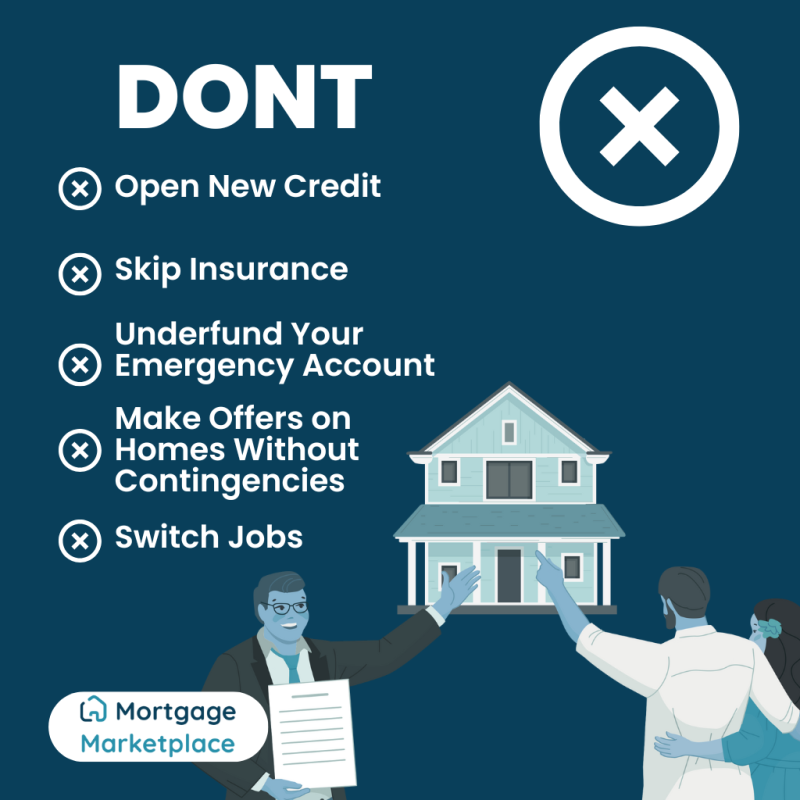
Even with a plan, some missteps can delay or derail your closing. Keep this list of “don’ts” in mind as you move through the process, each one is a common mistake among first-time buyers.

Final Thoughts

Buying your first home is a significant milestone that can pave the way toward lasting financial stability and personal fulfillment. But without the right preparation, guidance, and support, it’s easy to make decisions that lead to stress or regret. 

If you’re ready to turn your dream of homeownership into a well-informed reality, call Mortgage Marketplace now to compare lenders, find the right loan program, and begin the process on your terms today.

Qoutation Mark

I appreciate the breakdown of closing costs—it’s something I hadn’t considered before. Great read!

Qoutation Mark

Great article! I didn’t realize how important it is to budget for maintenance and closing costs. Very helpful!

Qoutation Mark

This was super insightful! The tips on saving for a down payment cleared up a lot of confusion for me.

FAQ

What are the biggest mistakes first-time homebuyers make?

+

The most common and costly errors include overspending, skipping pre-approval, waiving inspections, and misunderstanding loan terms.

Should I get pre-approved or pre-qualified?

+

Pre-approval is stronger. It verifies your credit and finances with a lender, showing sellers you're serious.

What credit score do I need to buy a house?

+

Most lenders require at least a 620 credit score; however, FHA loans may allow scores as low as 580. Higher credit scores generally get better rates.

Can I buy a house with no money down?

+

Yes. VA and USDA loans offer no-money-down options, and many local programs assist first-time buyers.

What should I avoid doing before closing on a house?

+

You should avoid opening new credit, switching jobs, or making big purchases because it can affect your loan approval.

Why Choose My Mortgage Marketplace?

Process icon representing simplified mortgage application

Simplified Process

Effortless Application, Expert Support

From pre-approval to closing, our streamlined process and experienced team make home financing stress-free.

Solutions icon representing customized mortgage options

Tailored Solutions

Personalized Plans for Your Needs

Whether it's refinancing, home equity, or a new mortgage, we customize solutions to fit your financial goals.

Transparency icon representing clear mortgage rates

Transparent Experience

Clear Rates, No Surprises

We provide competitive rates and full transparency, so you know exactly what to expect at every step.