






Home buying tips

Mortgage Refinance Tips, Options & Qualifications

Feb 11 2025

8min read

Two black woman looking at a laptop together. They are at a wooden desk with foliage around them.

Getting a mortgage is exciting! However, officially owning a home and making it your own can be stressful, and monthly mortgage payments can be an expense you weren’t expecting. Mortgage Refinancing might be the solution that you are looking for. With a mortgage refinance, you can decrease costs, shift into a more favorable position, or enter a favorable loan type. 

Unsure of what’s available to you? Explore our free tools to calculate mortgage payments, find out how much you can afford, compare loans, and more!

Quick Summary

Mortgage Refinancing can decrease your monthly mortgage payment.

There are many refinancing options available depending on your situation.

Key steps: Gather your employment information, income, and assets to be evaluated for a mortgage refinance.

Tips: Evaluate your options to ensure you get the perfect mortgage loan. Mortgage refinancing might not be the best choice for you and your family if you can’t afford the upfront costs.

Discover what you qualify for

let us guide you every step of the way!

What is Refinancing a Mortgage?

A mortgage is a specific loan that you can use to purchase a home. When you first obtain a mortgage, you’ll be locked into a monthly payment that you’ll need to pay off in a set amount of years. Everyone’s mortgage rate differs depending on your credit score, debt, and income. External factors such as location, market conditions, and inflation can change your mortgage too.

So, what is refinancing a mortgage? Refinancing means revising and replacing the original agreement with an adjusted rate. Essentially, you reset the remainder of your loan with more favorable terms.

Estimating the Value of a Refinance Mortgage

Say you started your mortgage with a 7% interest rate over 30 years. If the market has changed, making your new rate 4% if you purchased at the time, you can refinance the remainder of your mortgage for the 4% rate.

Refinancing can be a smart move for you, your family, and your budget. Our refinance calculator can help you see if it’s the right time to make the switch.

Two people holding a key with a house keychain attached to it.

Why Should You Refinance Your Mortgage?

Refinancing your mortgage can cost you a hefty upfront cost with the national average being seven years of the new mortgage rate you’ll get. However, there are a lot of benefits to mortgage refinancing if you can afford it. Here are just a few that you should consider: 

Adjust Monthly Payments

As of August 2024, Business Insider has stated the average monthly 30-year mortgage is $2,715. The market is always evolving and changing, so if you cannot set aside that much monthly, and the market has improved, refinancing can adjust your rate by a significant amount

For example, if your original mortgage term had you paying the national average of $2,715 but could refinance to $1,500, you would save $1,215 monthly.

Adjusting Mortgage Time Frames

You’ll be obligated to pay for a set term when you receive your mortgage agreement. However, if you want to complete your financial obligations earlier, you can refinance to adjust your mortgage time frame

Say you agreed to a 30-year mortgage but want to decrease the timeframe of your loan. If you refinance, you can adjust your mortgage to comply with your new timeframe. However, shortening the length of your mortgage will result in larger monthly payments and interest rates. 

Need to calculate your monthly mortgage payment? Use our free mortgage calculator today.

Move Into a More Favorable Loan Type

You might have signed into an adjustable-rate mortgage (ARM) when you initially received your mortgage. With an ARM, your interest rates can change over time depending on the market trends. That might not be favorable if you are planning a budget or looking to save month-to-month

You can refinance into a fixed-rate mortgage, which will help you pay the same monthly amount. You will avoid the higher mortgage payments, but if the market improves, you will be stuck paying the fixed rate. 

Do you know how much of a loan you can take out on your current home?

Check out our home equity calculator today.

How Much Equity Works for You?

Slide to choose your amount and let’s get started!

10k
10k
500k
See my options

Mortgage Refinancing Rates in 2025

As of February 2025, the average fixed mortgage rates hover around 7% for a 30-year fixed mortgage, 6% for a 15-year fixed mortgage, and 6.8% for an ARM

The exact rates will depend on the lender you choose and the type of loan you refinance into. Contact Mortgage Marketplace for the precise mortgage rates today, and we will provide you with up-to-date information on the market. 

A small clay house overtop a pile of money.

Refinancing Home Mortgage Calculator

Are you looking to discover exactly how much refinancing will cost and how much you’ll save? Use our Mortgage Refinancing Calculator to help you calculate how you can save on your monthly mortgage. 

Mortgage Refinance Requirements

Every lender will have different mortgage refinance requirements, so it’s prudent to have all the essential information readily available to help you decide on the right lender. Here are just a few of the documents that you should prepare before getting your mortgage refinanced: 

  • Proof of Yearly Income (W2s, paystubs, tax returns, etc.)
  • Employment Information
  • Asset List
  • Homeowner Insurance Policy
  • Debt Statements

Lenders will want to know your debt-to-income (DTI) ratio before approving your mortgage refinance, so these are the documents that you can expect to provide. They are essential to helping you find what you’re entitled to for lower interest rates, shortened mortgage times, and loan type changes. 

At Mortgage Marketplace, we strive to help you find the right mortgage rates for you and your family. Our experts can guide you through the process and help you find affordable mortgage and refinancing options. Call us at (833) 970-1560 from 9 a.m. to 5 p.m. to speak with an agent, or start filling out our form to find the best rates today. 

How Much Does Refinancing a Mortgage Cost?

Refinancing costs for a mortgage will differ depending on the lender you choose. However, it is common for lenders to ask for around seven years of the new refinance rate upfront to guarantee that you’ll be able to afford the changes to your rate. 

Because the initial rate is so high, refinancing might not be the right choice for you or your family. Speak to our mortgage experts for the advice that you are seeking. Call us at (833) 970-1560 from 9 a.m. to 5 p.m. ET. We ensure you’ll find a rate that will work for your budget and your family.

What Credit Score is Needed to Refinance a Home?

The necessary credit score to refinance will depend on the loan type you want to be moved into and the lender you work with. Here’s the credit score you’ll need for each loan type: 

Loan Type Minimum Credit Score
620
FHA Refinance
580
VA Refinance
N/A, but 620 or higher will get you better rates
Cash-Out Refinance
620
USDA Refinance
640

These are the industry standards for credit score, but don’t let bad credit stop you from getting the rate you deserve. Our team can help you find the best interest rate you can afford with your DTI and credit score.   

Take your first step

It only takes 2 minutes to find out what you qualify for.

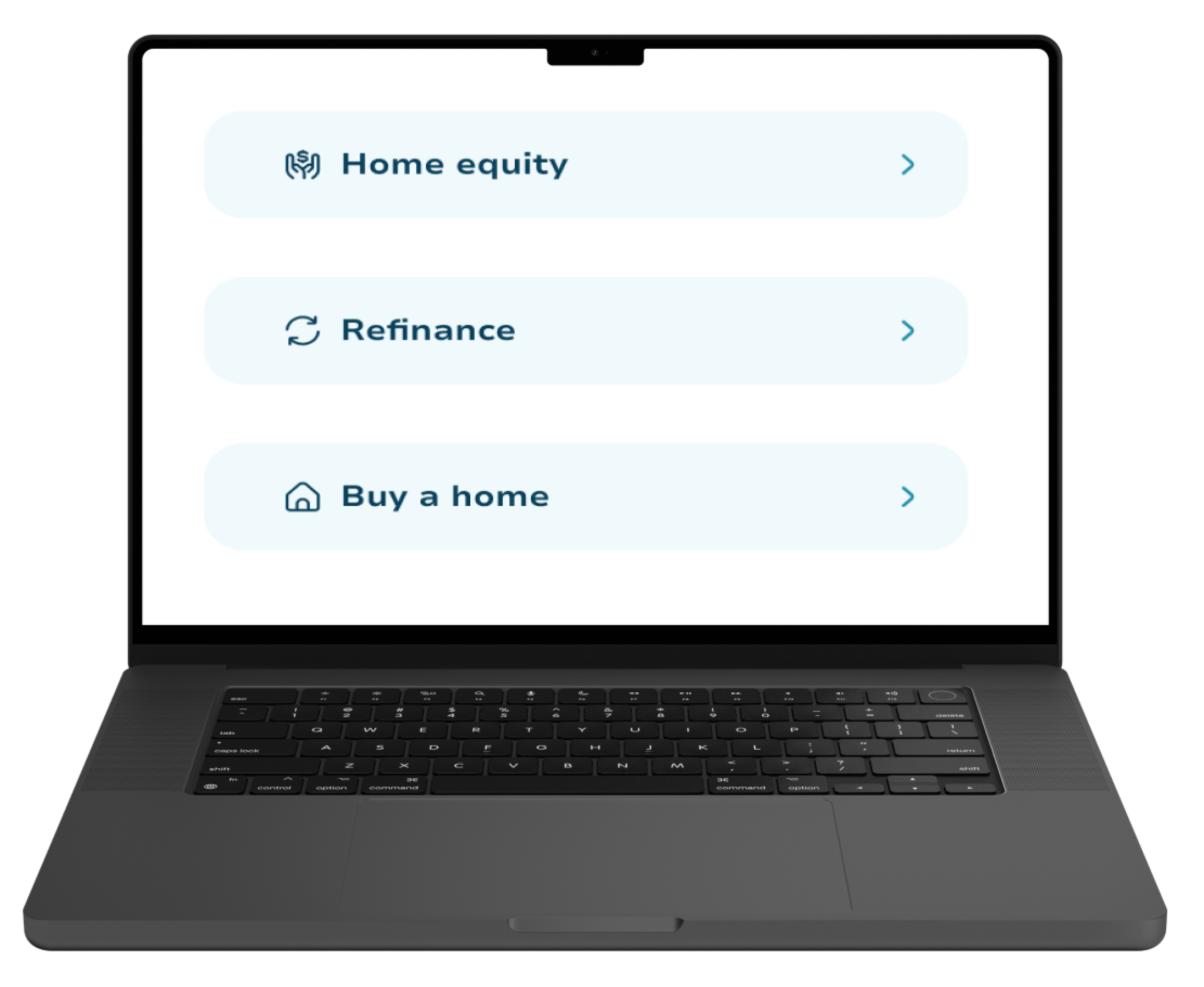
A graphic of a laptop with the Mortgage Marketplace survey on it. It has the buttons for "Home equity", "Refinance", and "Buy a home"

Mortgage Refinancing Options

Two contrasting doors of townhouses. The townhomes are made of red brick.

There are a few mortgage refinancing options available.

Below are the mortgage refinancing options you should consider: 

Rate-and-Term Refinancing

Rate-and-term refinancing replaces your original loan agreement with a lower interest rate. This type of refinancing comes with new terms, and you may reset your loan timeframe. For example, if you are three years into a 30-year mortgage and do a rate-and-term refinance, you could reset your loan for another 30 years. That makes the total timeframe 33 years. 

However, some rate-and-term refinancing options allow you to keep your current term, but those are rare and have a higher interest rate and up-front cost. 

Cash-Out Refinancing

Cash-out refinancing allows you to withdraw your equity for a higher loan amount. It is a common option for those whose assets have increased and who want to access their value. Most cash-out refinancing options allow you to access up to 80% of your home’s cash value. Depending on the lender, this refinancing option will reset your mortgage to a new timeframe. 

Cash-In Refinancing

Cash-in refinancing is the opposite of cash-out refinancing. Instead of getting a higher interest rate by pulling value from your home, you’re making a lump-sum payment on your home loan. That will decrease your monthly interest and can change the terms of your loan agreement

Consolidation Refinancing

If you received a loan with a lower interest rate than your current mortgage rate, you could partake in consolidation refinancing. When you utilize consolidation refinancing, you can apply a lower interest rate to your mortgage loan

However, the downside of this type of refinancing is that you must apply for a new loan and pay off the existing loan with the current loan. It also comes with higher upfront costs compared to other refinancing options.

Should you refinance? Help decide by using our free refinance calculator.

Pros and Cons of Refinancing Mortgage

Refinancing your mortgage might be a good idea in the long term, but the initial costs to refinance can be hefty and unrealistic if you don’t have the funds.

Here are a few of the pros and cons of refinancing mortgages you should consider: 

Pros

A graphic of a rounded green bar.
  • The ability to move into a favorable loan type.
    By moving into a more favorable loan, you can avoid unpredictable costs or take advantage of the current market conditions.
  • Lower your monthly payment or timeline.
    Typically, when you refinance, you accomplish one of two goals: lowering your monthly payments or decreasing the length of your loan. Both can help you find financial security. 
  • Access to cash if you are in financial need.
    Utilizing a mortgage refinance can help you find the cash that you need if you are in need.

Cons

A graphic of a rounded, red bar.
  • Upfront costs are expensive.
    No matter what refinancing type you go into, the initial cost to refinance can be expensive. The industry standard is around seven years after the new refinance payment, so weigh the costs and future benefits.
  • Your credit score will decrease.
    When you initially refinance a mortgage, your credit score will decrease. However, when you start making payments, your score will revert to your original number.

Conclusion

A mortgage refinance is changing the terms of your mortgage agreement to become favorable to lenders. That could mean decreasing the monthly payment, changing the length of the mortgage, or changing the loan type entirely. However, that comes at around seven times the new mortgage payment. 

So, while there are several benefits, you’ll need to consider all your options before moving forward with a refinance. If you’re unsure if refinancing is possible, call us today. Our expert brokers can help you discover all your options and ensure you get the best rate

Get an accurate estimate of your options by contacting one of our licensed experts from 9 a.m. to 5 p.m. ET every weekday at (833) 970-1560

Qoutation Mark

I appreciate the breakdown of closing costs—it’s something I hadn’t considered before. Great read!

Qoutation Mark

Great article! I didn’t realize how important it is to budget for maintenance and closing costs. Very helpful!

Qoutation Mark

This was super insightful! The tips on saving for a down payment cleared up a lot of confusion for me.

FAQ

Will Refinancing Hurt My Credit Score?

+

Yes, refinancing will hurt your credit score. However, this is only temporary and will be rectified once you start paying off your loan.

Can You Refinance Mortgage with Bad Credit?

+

It depends on the kind of refinancing you plan on taking with your mortgage and the lender you’re working with. At Mortgage Marketplace, we’re in the business of helping you find what options are available to you. Call us at (833) 970-1560 for a free consultation.

Are Mortgage Refinance Fees Tax Deductible?

+

It depends on the type of refinancing loan you receive, but you can deduct your mortgage interest on tax returns.

How Long Will Refinancing Take?

+

Refinancing will typically take around six months to be approved — the same timeframe as a mortgage.

What Will I Need to Refinance?

+

Here are a few documents that a lender could ask you to provide:
• Proof of Yearly Income (W2s, paystubs, tax returns, etc.)
• Employment Information
• Asset List
• Homeowner Insurance Policy
• Debt Statements

Can You Refinance More Than Once?

+

Yes, you can refinance more than once. However, it’s not recommended to do so since the costs to refinance can be hefty, and the damage to your credit score will be more impactful.

Why Choose My Mortgage Marketplace?

Process icon representing simplified mortgage application

Simplified Process

Effortless Application, Expert Support

From pre-approval to closing, our streamlined process and experienced team make home financing stress-free.

Solutions icon representing customized mortgage options

Tailored Solutions

Personalized Plans for Your Needs

Whether it's refinancing, home equity, or a new mortgage, we customize solutions to fit your financial goals.

Transparency icon representing clear mortgage rates

Transparent Experience

Clear Rates, No Surprises

We provide competitive rates and full transparency, so you know exactly what to expect at every step.