




Home buying tips

Unlock the Power of a Second Mortgage: Turn Your Home Equity into Opportunity

5 min read

Happy couple showing off house keys.

Are you looking to tap into your home’s equity? Are you looking to access home equity without refinancing your initial loan? Then consider getting a second mortgage—the loan solution for helping you make home improvements or consolidate debts while leaving your first mortgage unchanged.

Gain a better understanding by taking a look at how they differ from other types of mortgages and whether or not a second mortgage is the right loan for you.

Quick Summary

A second mortgage allows you to borrow against your home’s equity without refinancing your original mortgage.

Second mortgages are often used for debt consolidation, home improvements, and other major expenses.

Qualifications for a second mortgage: home equity and at least a 620 credit score.

Second mortgages are riskier for lenders and, thus, have higher interest rates compared to a borrower’s first mortgage.

Discover what you qualify for

let us guide you every step of the way!

What Is a Second Mortgage?

Real estate agent delivering sample homes to customers.

A second mortgage is a lien taken against a property that already has a home loan. In short, a second mortgage provides homeowners with a loan that uses their property as security while operating as a separate loan from their initial mortgage.

Your primary mortgage takes precedence over a second mortgage when defaulting, since the latter is classified as a “second lien”. The foreclosure process works in a specific order, as the original lender receives payment before the second lender.

The loan functions independently from the primary loan as it enables you to convert your accumulated home equity into available funds. This difference makes this option an appealing choice for consolidating credit card debt, making home renovations, paying off tuition and medical care, and more.

How Do Second Mortgages Work?

A second mortgage lets you use your home’s equity to your advantage. By calculating your home’s current market value versus your remaining primary mortgage balance, your property will serve as security for this loan while the terms of your existing mortgage remain unchanged.

Understanding Equity and Borrowing Power

Second mortgages come with either fixed or variable interest rates. A fixed-rate second mortgage offers predictable monthly payments, which can help with budgeting. Variable-rate loans might start lower but can increase over time depending on market conditions.

Approval Time and Borrowing Limits

Like all mortgages, there’s a process for obtaining a second mortgage loan with varying timelines depending on what type of loan you apply for. You will need to apply for an appraisal of your home, which can take a few weeks for your lender’s underwriter to process and review your application.

Since second mortgage loans typically use your home as collateral, it may be possible to borrow a significant amount of money. In general, most lenders will allow you to borrow at least up to 80% of your home’s value (note that other lenders may let you borrow more).

Interest Rates, Repayment, and Other Costs With Second Mortgages

Repayment terms can vary depending on the lender; however, second mortgages are typically paid back monthly over several years. Since your home secures the loan, missing payments could put you at risk of foreclosure, so it’s essential to understand the terms and borrow responsibly.

Do you know what your current monthly mortgage payments are? Find out now with our free mortgage calculator.

Types of Second Mortgages

Couple choosing a house.

There are two common types of second mortgages: home equity loans and home equity lines of credit (HELOC).

Home Equity Loans

A home equity loan is a type of second mortgage that provides you with a lump sum of money up front from a percentage of your equity (given by your second mortgage provider). This type of second mortgage is ideal for those who know exactly how much money they need.

Home equity loans appeal to borrowers who want predictability and stability in their budget because of the fixed repayment terms. Second mortgages also offer lower interest rates than unsecured loans or credit cards, making them a cost-effective option for large expenses. 

Do note that this type of second mortgage is considered to be a closed-end loan and that you will repay this lump sum over time through fixed monthly payments and a fixed interest rate.

HELOCs

Also known as home equity lines of credit, HELOCs do not provide funds in a single lump sum and function more like a credit card. You’re given a credit limit based on your home’s equity, and you can borrow against the credit that your mortgage lender extends to you.  A HELOC can be considered a second mortgage, but only when it’s taken out in addition to your first mortgage (lien position qualifies the loan, not its structure). 

Flexibility is a major advantage with the HELOC, as you typically make interest-only payments, which keep monthly costs low. You can borrow from an HELOC’s credit limit repeatedly during the “draw period”—a predetermined amount of time when you must make minimum monthly payments as you would on a credit card. Once a draw period ends, you must repay the entire balance remaining on your loan, both principal and interest.

This type of second mortgage option is considered an open-ended loan and may be better suited for homeowners who prefer a set budget or want to avoid open-ended credit.

Silent Second Mortgages Explained

Simply put, a silent second mortgage is a second mortgage taken on a property for down-payment money, but undisclosed to the original mortgage lender on the first home mortgage. It should be noted that borrowers who do not disclose the existence of a silent second mortgage can face fines and/or possible conviction for mortgage fraud.

Take your first step

It only takes 2 minutes to find out what you qualify for.

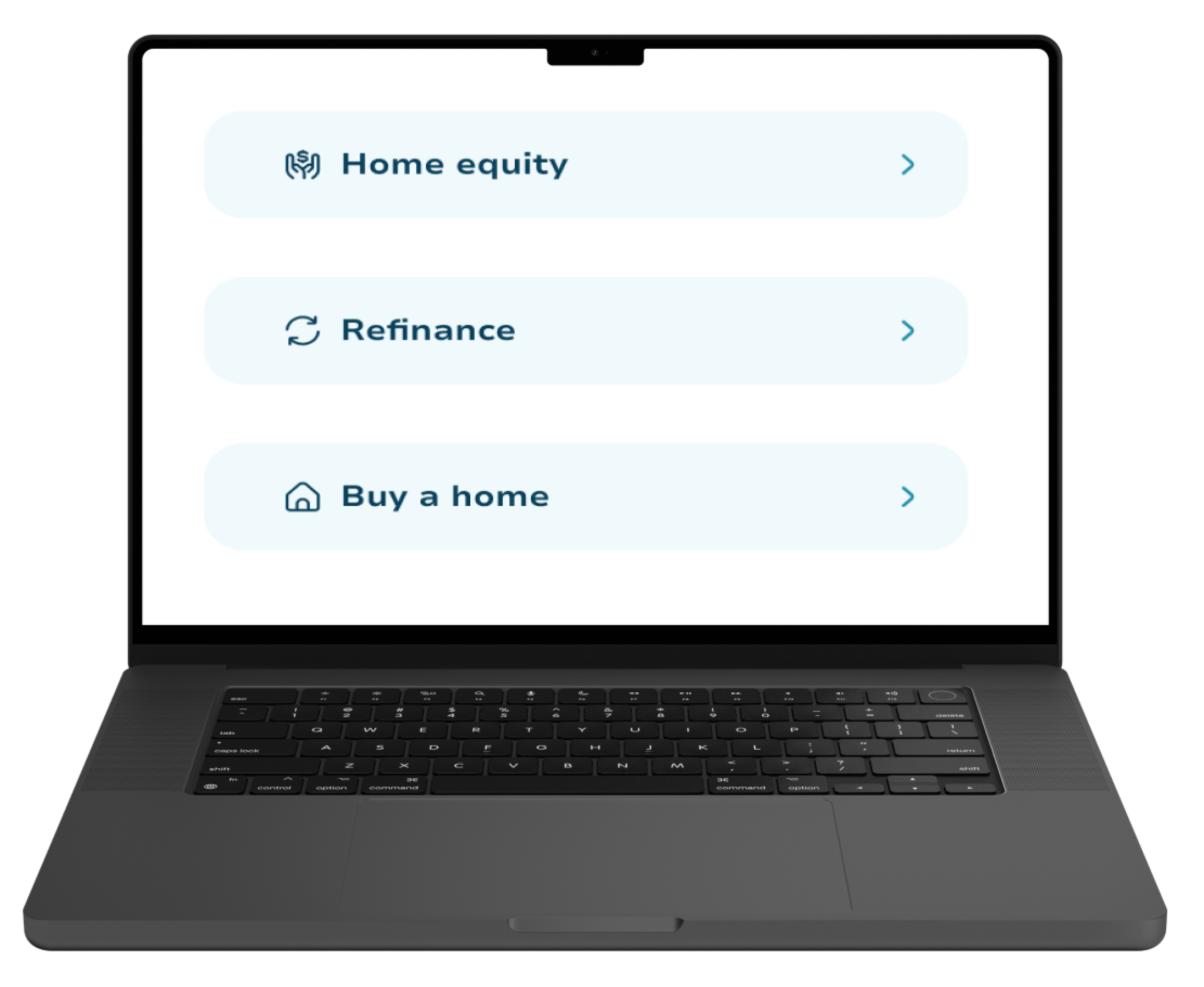
A graphic of a laptop with the Mortgage Marketplace survey on it. It has the buttons for "Home equity", "Refinance", and "Buy a home"

What Are the Current Second Mortgage Rates?

Second mortgage rates will vary depending on many factors, such as your credit score, income, loan-to-value ratio, the type of second mortgage chosen, and which lender you apply to for the loan.

Is a Second Mortgage Right For You?

A second mortgage might not be the right fit for everyone, but for many homeowners, it offers a powerful way to access cash without refinancing their first mortgage. You retain your loan terms and tap into equity you’ve already built. However, having a second mortgage still incurs debt.

If you’re facing high-interest debt, need to fund a major home improvement or renovation, or want to invest in property without draining your savings, a second mortgage might be able to help you reach those goals.


Other Ways to Tap Into Equity or Invest in Property

Front elevation of beautiful home lit up at twilight.

If a second mortgage does not meet your financial needs, consider other options.

For instance, being able to calculate the debt-service coverage ratio (DSCR) of a property can be useful if you’re looking to invest in property or manage a rental. When it comes to DSCR loans, unlike traditional loans, this sort of financing focuses on the property’s cash flow rather than W-2s or tax returns.

Compare multiple loan options side by side to make informed decisions with our free loan comparison calculator.

How Much Equity Works for You?

Slide to choose your amount and let’s get started!

10k
10k
500k
See my options

Final Thoughts

In short, a second mortgage is a viable option for financing large purchases (college tuition, new vehicle, down payments, etc.) that provides flexibility without requiring a complete refinance of your primary loan. Second mortgages can also be a good method to consolidate debt by using money from them to pay off outstanding debt, which, in this case, may carry higher interest rates compared to your first mortgage. 

And because the second mortgage also uses the same property for collateral as the first mortgage, the original mortgage has priority on the collateral if a borrower defaults on their payments. So, second mortgages tend to have higher interest rates and are generally riskier for lenders.

At Mortgage Marketplace, we simplify the process so you can make confident, informed decisions. Get pre-qualified and take the next step toward using your home’s value to move forward financially. Apply online or call today for expert guidance.

Qoutation Mark

I appreciate the breakdown of closing costs—it’s something I hadn’t considered before. Great read!

Qoutation Mark

Great article! I didn’t realize how important it is to budget for maintenance and closing costs. Very helpful!

Qoutation Mark

This was super insightful! The tips on saving for a down payment cleared up a lot of confusion for me.

FAQ

How do I qualify for a second mortgage?

+

To qualify for a second mortgage, you will need to apply for the loan and meet the lender’s requirements. Most lenders look at your credit score, income, and the amount of equity in your home. However, lender requirements might be stricter than your original loan.

What’s the difference between a second mortgage and a HELOC?

+

A HELOC is a revolving credit line with flexible borrowing and interest-only payments during the draw period. A second mortgage is typically a one-time lump sum payment with fixed repayment.

Can I have a third mortgage?

+

Yes, but this is uncommon. Having more than two liens can make it more difficult to borrow and may increase your overall financial risk.

What are the differences between a second mortgage and a reverse mortgage?

+

With a second mortgage, you repay a loan monthly, and it is often used for renovations, debt consolidation, or large expenses. Reverse mortgages are designed for homeowners aged 62 and older, and allow them to receive payments from their equity instead of monthly payments.

Can a second mortgage be used for an investment property?

+

Some lenders may allow this, particularly if you already own the property and are leveraging its equity. Terms and conditions for approval may be stricter than for primary residences.

Is a hard money loan the same as a second mortgage?

+

Sometimes. Hard money loans can be structured as second mortgages, but they’re typically short-term, high-interest loans from private investors and come with higher risk.

Why Choose My Mortgage Marketplace?

Process icon representing simplified mortgage application

Simplified Process

Effortless Application, Expert Support

From pre-approval to closing, our streamlined process and experienced team make home financing stress-free.

Solutions icon representing customized mortgage options

Tailored Solutions

Personalized Plans for Your Needs

Whether it's refinancing, home equity, or a new mortgage, we customize solutions to fit your financial goals.

Transparency icon representing clear mortgage rates

Transparent Experience

Clear Rates, No Surprises

We provide competitive rates and full transparency, so you know exactly what to expect at every step.