


Buying your first home is a big decision, and location plays a major role in finding the right fit. With rising urban prices and changing lifestyle priorities, many first-time buyers are setting their sights on the suburbs. But what exactly does suburban living offer, and how does it compare to urban or rural life? Explore everything you need to know about buying a suburban house in 2025, from what it means to live in the suburbs to how much you can expect to spend.
Suburban houses are residential homes located just outside major cities, offering more space, privacy, and affordability compared to urban areas.
Modern suburbs are evolving, blending quiet neighborhoods with walkable town centers, parks, and community features.
Key Requirement: Suburbs vary by region, with home prices ranging from $300K to over $900K in 2025 depending on location.
Tip: Use tools like affordability calculators and check for USDA loan eligibility to make smarter, budget-friendly decisions.
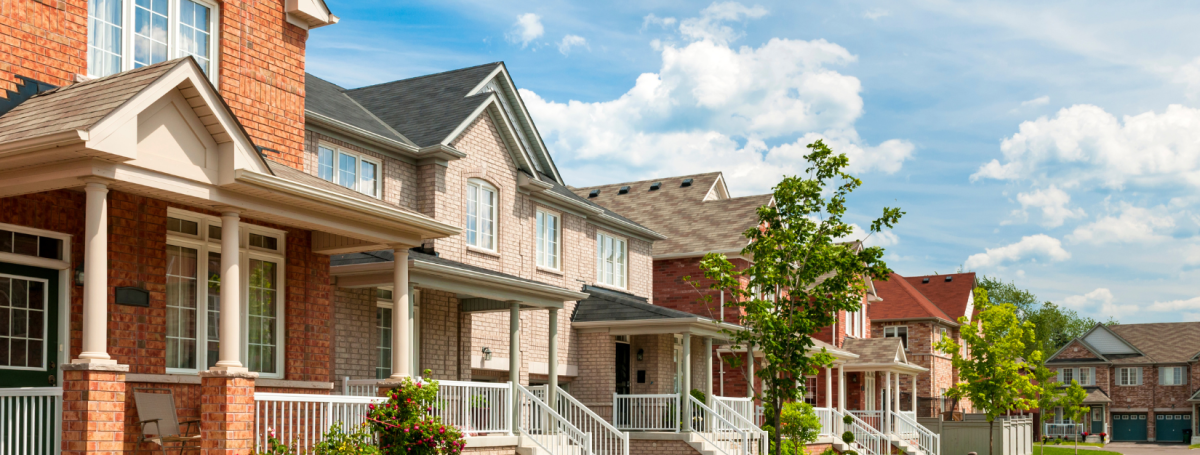
Suburban houses are typically located in a residential area outside a major city. They generally offer space, privacy, and proximity to urban amenities, but without the hustle and bustle of city life.
Suburban areas are becoming more vibrant and connected, with city planners prioritizing convenience and community interaction. Newer suburban neighborhoods include residential, retail, and recreational spaces and offer convenience and quiet living to buyers.
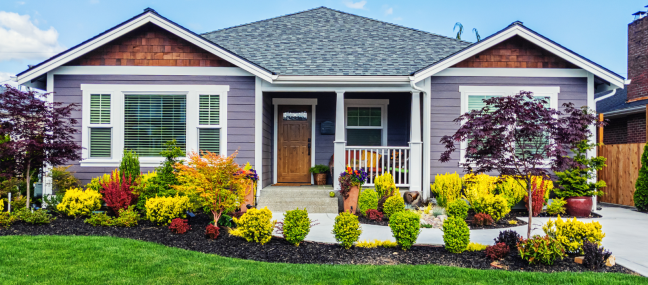
Today’s suburban homes typically include open floor plans, updated kitchens, and multi-purpose rooms perfect for remote work or fitness. Yards, patios, and attached garages are common features. Some communities offer shared amenities like clubhouses, pools, trails, and playgrounds.
National housing data states that first-time homebuyers gravitate toward metro-adjacent suburbs in fast-growing states like Texas, Florida, Georgia, and North Carolina. Cities like Austin, Tampa, Atlanta, and Raleigh have seen some of the highest surges in first-time homebuyer interest thanks to their mix of job opportunities, affordable suburban inventory, and manageable property tax rates.
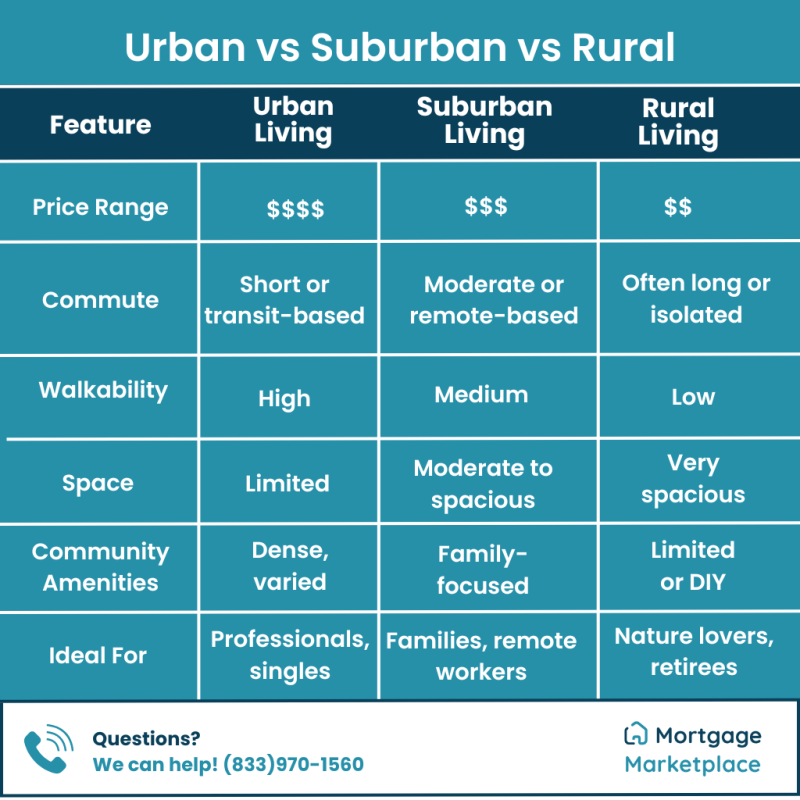
Urban homes are typically high-density apartments or condos in busy city centers with high walkability and access to jobs and entertainment, but at a high cost. Rural homes offer wide-open spaces and affordability, but often lack extensive infrastructure and public services.
Suburban homes offer a blend of both: more space than urban areas, with more convenience and community than rural zones. For first-time buyers, suburbs have a balance between price, lifestyle, and practicality.
Now that we’ve defined what makes suburban living appealing, let’s look at where first-time buyers are moving, and why.
In the 1950s, suburbs were hailed as the future of American living; symbols of prosperity, safety, and space to grow a family. Rows of similar homes with picket fences promised stability after the turbulence of war. But by the 1980s and early 2000s, that image had frayed, with poor urban planning, car dependency, and cultural stagnation casting suburbs as isolating or uninspired. Fast-forward to the past 10–15 years, and a shift is underway. Let’s look at the key reasons behind this shift.
Home offices, private yards, and neighborhood safety have taken priority over proximity to urban nightlife or office towers. Suburban communities are appealing to city inhabitants seeking a quieter lifestyle by offering more parks, wellness centers, and mixed-use spaces. They attract a diverse range of residents who seek a better work-life balance in peaceful surroundings.
Suburban houses usually offer more square footage at a lower price than urban homes, appealing to buyers looking for long-term value. Property taxes and maintenance costs are more manageable, and many buyers can afford newer or recently updated homes. This financial breathing room helps first-time buyers build equity and invest in home improvements.
Many suburbs feature top-rated schools, quiet streets, and ample parks, which make these areas attractive to families with young children. Suburban life is being redefined thanks to continued Investment in walkable paths, after-school programs, and public amenities.
Deciding between a city condo and a suburban house isn’t just about price: i. It’s about how and where you want to live. Here are the main considerations:.
Living in urban areas often comes with high price tags and property taxes. Suburban homes are more budget-friendly and typically offer more space and home features.
According to realtor.com, a two-bedroom condo in downtown Chicago could cost over $485,000, while a similarly sized home with a yard and garage in a nearby suburb might be priced around $350,000. Utility costs are usually lower in suburban homes, and some areas feature first-time home buyer tax incentives and rebates.
Living in the suburbs may mean longer commutes, unless you work remotely. However, many suburban areas are improving public transportation and infrastructure to support changing commuter habits.
City life offers nightlife and cultural events, while suburban living tends to be slower-paced and more community-focused. Weekend barbecues, local farmers markets, and neighborhood events are typical suburban perks.
Of course, lifestyle is only part of the equation. Let’s take a look at how much you can expect to pay for a suburban home in different parts of the country.
Ready to make the suburbs your home? Talk to a mortgage expert who understands first-time buyers. Call now at (833) 977-1560, Monday through Friday, 9 a.m. to 5 p.m. ET.
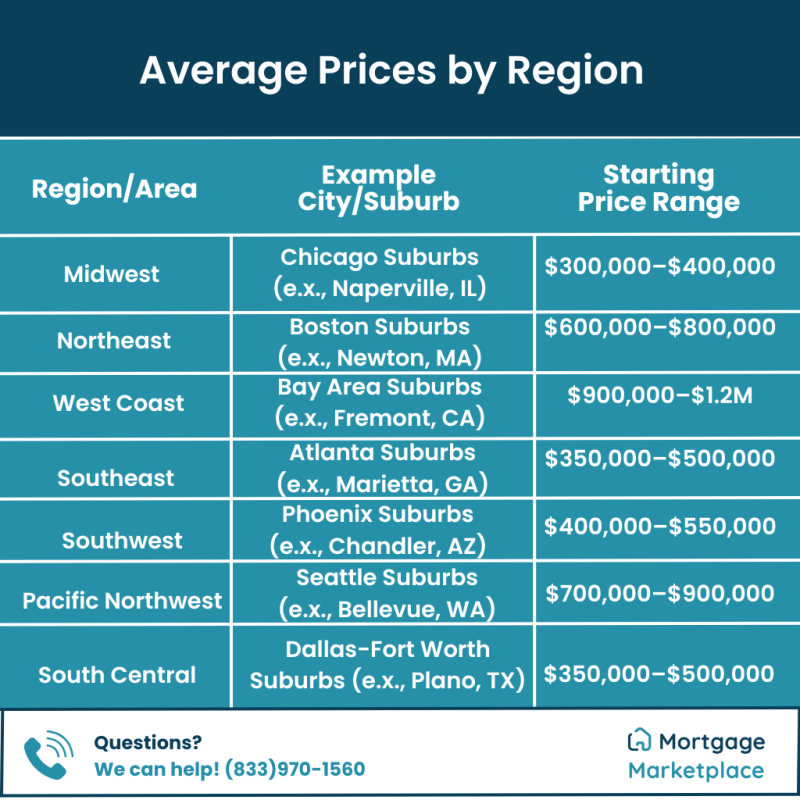
Suburban home prices vary depending on where you’re looking.
Location and local demand influence these prices, so it’s wise to consult a local real estate agent or use a mortgage calculator for more tailored estimates.
Suburban home values are influenced by factors like proximity to major cities, school quality, access to public transit, and community amenities. Features like energy-efficient upgrades or recently renovated interiors can also increase property values.
If you are a first-time buyer, understanding down payment expectations is key. Most lenders require a 5% to 10% down payment, but options like FHA or VA loans allow for lower percentages, making entry into the market more accessible.
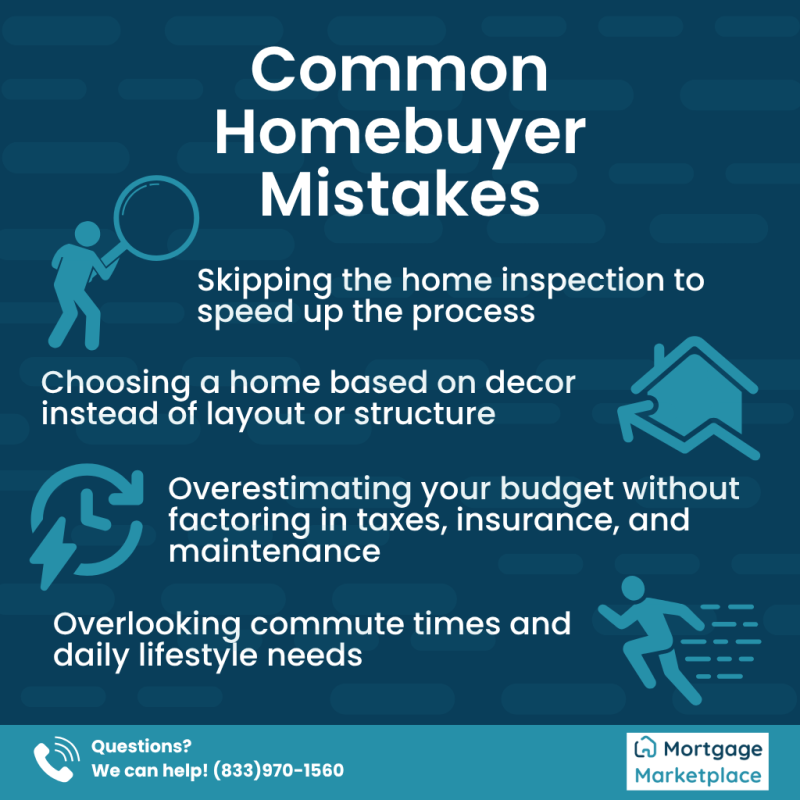
Make your first home purchase a smoother experience by avoiding common pitfalls:
By steering clear of these common missteps, you’ll be in a stronger position to make informed decisions throughout the buying process. With a better understanding of what to avoid, let’s take a closer look at ways to finance a suburban home for first-time buyers in 2025.
Many states and counties offer grants and down payment assistance to support first-time buyers. There are several programs designed with first-time buyers in mind.
FHA loans are popular for their low down payment and credit flexibility. Backed by the U.S. Department of Housing and Urban Development, FHA loans are helpful for buyers with lower credit scores or limited savings. If your credit score is 580 or higher, you may qualify with just 3.5% down. USDA rural housing loans offer no-down-payment options and reduced mortgage insurance for qualifying suburban or rural areas.
In contrast, USDA loans are backed by the U.S. Department of Agriculture and designed to help low-to-moderate income buyers purchase homes in eligible rural and some suburban areas. These loans require no down payment, offer reduced mortgage insurance, and often come with lower interest rates. To qualify, buyers must meet income limits and the property must fall within a geographic area designated by the U.S. Department of Agriculture as eligible for certain rural housing loan programs, or a USDA-approved zone, which can include many outer-ring suburbs.
Factor in taxes, insurance, and HOA fees for a realistic monthly payment. If you’re unsure how your credit score might affect your loan eligibility or mortgage terms, our credit score guide breaks it down in simple, practical terms.
For detailed credit education and monitoring, check resources like MyFICO. FICO, which stands for Fair Isaac Corporation, is the most widely used credit scoring model in the mortgage industry thanks to its consistency and reliability across lenders. Remember that credit scores vary slightly depending on the scoring model used and which credit bureau provides the report.
Not sure which loan fits your budget? Run the numbers with our loan comparison calculator and make a confident choice. Call now at (833) 977-1560, Monday through Friday, 9 a.m. to 5 p.m. ET.
Feeling confident about going suburban? These practical tips can help you make a smart purchase:
Suburban homes are a solid choice for first-time buyers seeking space, community, and value. With the right financial planning and a clear understanding of your needs, buying in the suburbs can be a rewarding investment in 2025 and beyond.
Ready to buy your first suburban home? Call now at (833) 977-1560, Monday through Friday, 9 a.m. to 5 p.m. ET. connect with an expert at Mortgage Marketplace for guidance tailored to first-time buyers. We’ll help you explore loan options, understand down payments, and navigate today’s suburban market.
I appreciate the breakdown of closing costs—it’s something I hadn’t considered before. Great read!

Sammy P
Queens, NY
5/5
Great article! I didn’t realize how important it is to budget for maintenance and closing costs. Very helpful!

Jeremy M
Georgia, MD
5/5
This was super insightful! The tips on saving for a down payment cleared up a lot of confusion for me.

Tania N
Towns, CA
5/5

A suburban area is a residential zone located on the outskirts of a city, offering a mix of housing, shopping, and schools.
Suburban downsides include longer commutes, fewer nightlife options, and car dependence. However, many find the peace and space worth it.
It depends on local zoning laws. Always check with your local planning department.
Suburban homes are eligible for USDA loans if the suburb qualifies as a rural development area under USDA guidelines.
First-time home buyer closing costs are typically 2% to 5% of the home’s price. Some programs help offset these costs.
Suburban home prices vary by region, but generally fall between $300,000 and $700,000.
Urban areas are densely populated, featuring towering high-rises, crowded streets, and city noise. Suburban areas are less dense residential zones just outside cities.
It’s a USDA-backed mortgage for low-to-moderate-income buyers in eligible rural or suburban areas.
Effortless Application, Expert Support
From pre-approval to closing, our streamlined process and experienced team make home financing stress-free.
Personalized Plans for Your Needs
Whether it's refinancing, home equity, or a new mortgage, we customize solutions to fit your financial goals.
Clear Rates, No Surprises
We provide competitive rates and full transparency, so you know exactly what to expect at every step.